

Driving While Intoxicated (DWI) is a serious offense with severe legal and personal consequences. Whether you’re a first-time offender or have prior DWI charges, understanding Minnesota’s DWI laws is crucial. This guide provides insights into what is DWI, laws, penalties, and legal options for those facing charges.
What Constitutes A DWI In Minnesota?
Minnesota law defines DWI as operating or being in physical control of a vehicle while impaired. This includes having a BAC of 0.08% or higher, being under the influence of alcohol or drugs, or having any amount of certain controlled substances in your system.
Degrees Of DWI Offenses

Minnesota classifies DWI offenses into four degrees based on prior offenses, high BAC levels, or test refusals. The penalties increase with each level, ranging from fines and probation for first-time offenders to potential prison time for repeat violations.
Fourth-Degree DWI (Misdemeanor)
This is a first-time offense with no aggravating factors. Penalties include up to 90 days in jail and/or a $1,000 fine. Additional consequences may involve license suspension and required alcohol education programs to reinstate driving privileges.
Third-Degree DWI (Gross Misdemeanor)
A third-degree DWI involves one aggravating factor, such as a BAC of 0.16% or higher or a prior DWI conviction. Penalties include up to 1 year in jail, $3,000 in fines, longer license suspension, and potential ignition interlock device (IID) installation.
Second-Degree DWI (Gross Misdemeanor)
A second-degree DWI includes two aggravating factors, like multiple prior offenses or a high BAC. Consequences may involve up to 1 year in jail, $3,000 in fines, vehicle forfeiture, and stricter probation conditions, including mandatory alcohol treatment programs.
First-Degree DWI (Felony)
A felony DWI occurs after three prior offenses within ten years or a past felony DWI conviction. Punishments include up to 7 years in prison, $14,000 in fines, vehicle forfeiture, and long-term restrictions on driving privileges, employment, and travel.
Aggravating Factors Influencing DWI Severity
Certain factors escalate a DWI charge to a more severe level. These include prior DWI offenses within ten years, a BAC of 0.16% or higher, refusal to submit to testing, or having a child under 16 years old in the vehicle at the time.
Criminal Penalties Associated With DWI
A DWI conviction carries legal and financial consequences. Offenders may face jail time, probation, and steep fines. Additionally, they may be required to complete alcohol treatment programs, perform community service, or attend victim impact panels to restore driving privileges.
Fines
Fines vary based on the severity of the charge. Misdemeanor offenses may result in $1,000 fines, while felony convictions can reach $14,000. Additional court fees and costs related to treatment programs further increase financial burdens for convicted individuals.
Incarceration
Jail time depends on prior offenses and aggravating factors. A first-time DWI may lead to 90 days in jail, while repeat offenders face several years in prison. Alternative sentencing options, such as work release or electronic monitoring, may be available.
Probation
Probation is often granted in place of jail time for first-time offenders. Conditions may include regular check-ins, alcohol monitoring, community service, and completing alcohol treatment programs. Violating probation terms can lead to more severe penalties, including incarceration.
Administrative Sanctions And License Implications

DWI offenders face administrative penalties, such as license revocation and vehicle-related consequences. These penalties are imposed by the Minnesota Department of Public Safety, separate from any criminal charges determined in court.
License Revocation
License suspensions range from 90 days for first offenses to several years for repeat offenders. A driver may apply for a limited license or an ignition interlock program to regain partial driving privileges during the revocation period.
Ignition Interlock Device (IID) Requirements
Drivers with high BAC levels or multiple DWI convictions may be required to install an ignition interlock device (IID). The IID prevents vehicle operation if alcohol is detected, allowing offenders to drive legally while ensuring sobriety.
License Plate Impoundment
Drivers with multiple DWI offenses or high BAC levels may face license plate impoundment. This requires surrendering plates to law enforcement, and a new special registration (whiskey plates) must be obtained to legally drive the vehicle.
Vehicle Forfeiture
Repeat offenders or individuals convicted of felony DWI may have their vehicle permanently seized. In some cases, legal representation can help challenge forfeiture through administrative hearings or court appeals.
Common Defenses Against DWI Charges
A strong legal defense may help reduce or dismiss a DWI charge. Attorneys can challenge police procedures, test accuracy, and legal grounds for the traffic stop. A well-prepared defense can result in case dismissal or reduced penalties.
Illegal Traffic Stop
Law enforcement must have reasonable suspicion to conduct a traffic stop. If an officer lacked valid justification, evidence obtained from the stop may be excluded, weakening the prosecution’s case and potentially leading to case dismissal.
Inaccurate Testing Procedures
Breathalyzer and blood tests must be administered correctly. Errors in test procedures, equipment calibration, or contamination can lead to false BAC readings. Challenging these inaccuracies can help dismiss or reduce charges.
Medical Conditions
Certain medical conditions, like diabetes or acid reflux, can cause false-positive BAC results. An attorney can present medical evidence to challenge test results and demonstrate that impairment symptoms were unrelated to alcohol or drug consumption.
Procedural Errors
Errors in the arrest process, such as failure to inform the defendant of their rights or improper handling of evidence, can invalidate a DWI charge. Legal representation can expose these procedural mistakes to weaken the prosecution’s case.
Navigating The Legal Process After A DWI Arrest
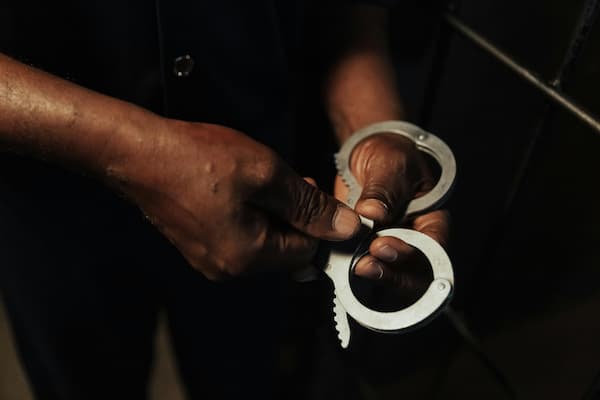
Understanding the legal process is crucial when facing a DWI charge. Knowing what to expect and working with an attorney can help defendants make informed decisions and improve their chances of a favorable outcome.
Arrest And Booking
After a DWI stop, the suspect is arrested, transported to jail, and booked. Law enforcement may conduct a breath or blood test, and the driver is typically released after posting bail or agreeing to appear in court.
Arraignment
The accused appears before a judge for the arraignment, where formal charges are presented. The defendant enters a plea of guilty, not guilty, or no contest. An attorney can negotiate reduced charges at this stage.
Pre-Trial Proceedings
Before trial, attorneys may file motions to suppress evidence, dispute test results, or negotiate plea deals. Strong legal arguments can lead to dismissal, charge reductions, or alternative sentencing options in place of jail time.
Trial
If no plea agreement is reached, the case proceeds to trial. The prosecution presents evidence, and the defense challenges it. A judge or jury determines guilt or innocence based on the arguments and evidence presented.
Sentencing
If convicted, the defendant is sentenced based on offense severity and mitigating factors. Sentences may include fines, jail time, probation, license revocation, or alcohol treatment programs, depending on prior convictions and aggravating factors.
Appeals
Convicted individuals may appeal the decision if legal errors occurred. Appeals challenge issues such as improper evidence admission or procedural violations that may have unfairly influenced the trial outcome.
FAQs
1. What Differentiates A DWI From A DUI In Minnesota?
Minnesota primarily uses DWI (Driving While Intoxicated) instead of DUI (Driving Under the Influence), which is more common in other states. Both terms refer to impaired driving due to alcohol or drugs, but Minnesota law specifically categorizes offenses under DWI statutes.
2. Can I Refuse A Breathalyzer Test In Minnesota?
Refusing a breathalyzer or chemical test violates Minnesota’s implied consent law, leading to immediate license revocation and additional penalties. This refusal can also result in increased criminal charges, making it crucial to understand the consequences before declining a test.
3. Will A DWI Stay On My Record Permanently?
A DWI conviction remains on both your criminal and driving records. While expungement is possible in some cases, severe DWI offenses or repeat violations may disqualify individuals from clearing their records, impacting future employment, insurance, and legal standing.
Conclusion
DWI charges carry significant consequences, making it essential to understand the law and legal options available. Whether it’s your first offense or a repeat charge, hiring an experienced attorney can help you navigate the legal process and work toward the best possible outcome. If you or your loved one is facing a DWI charge, the attorneys at Leverson Budke, P.A is here to help. Contact our office today to set up a free consultation with our experienced attorneys.
